16 Oct 2026
Equine Velocity Patterns and Court Tempo Correlations: Methods for Integrating Racing and Basketball Data in Betting Diversification
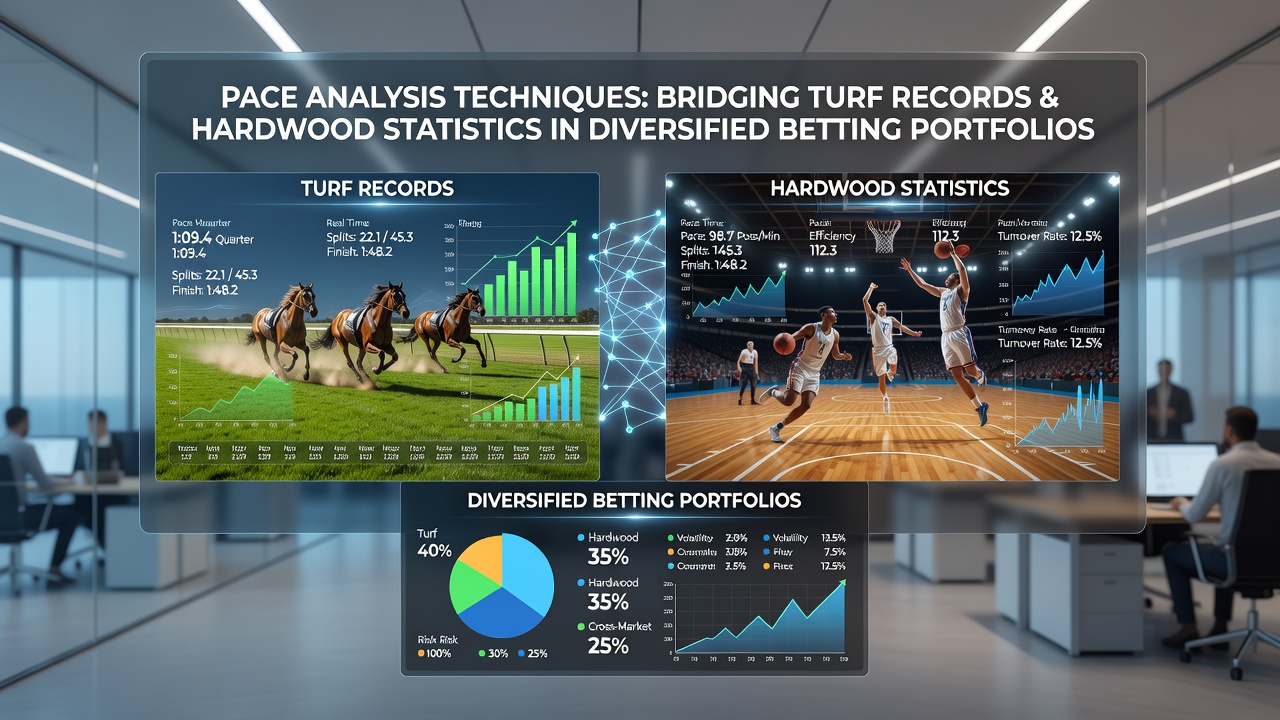
Analysts track sectional timing splits on turf surfaces to establish baseline velocities that horses sustain across varying distances, while basketball researchers calculate possessions per forty-eight minutes to quantify how teams control game flow on hardwood courts. Data from multiple racing jurisdictions shows that horses posting sub-twenty-four-second furlong fractions in workouts often maintain similar efficiency when transferred to competitive starts, and parallel studies of league-wide basketball statistics indicate that squads averaging above one hundred possessions per game generate elevated scoring outputs during back-to-back schedules.
Sectional Timing Foundations in Turf Racing
Racing analysts record incremental splits at each furlong marker to isolate early speed, sustained pace, and closing bursts, which creates granular profiles that bettors incorporate into portfolio models alongside court-based tempo figures. The Jockey Club maintains extensive databases that reveal correlations between pre-race gallop clocks and final margin outcomes across graded stakes events throughout the 2026 season. Observers note that horses demonstrating consistent twenty-three-second furlong segments on firm ground frequently outperform market expectations when similar pace profiles appear in subsequent races.
Basketball Possession Analytics on Hardwood
League statisticians compile pace ratings that measure how many offensive opportunities each team creates within a standard game, and these numbers feed directly into predictive frameworks that compare tempo advantages between opposing sides. Research from academic sports science programs demonstrates that teams shifting from slow-paced regular-season contests to high-possession playoff environments experience measurable efficiency drops, patterns that mirror fatigue indicators seen in equine athletes racing on successive days. Figures released by state regulatory bodies in October 2026 highlighted increased wager volumes on basketball contests where pace differentials exceeded eight possessions per game.
Cross-Sport Integration Methods
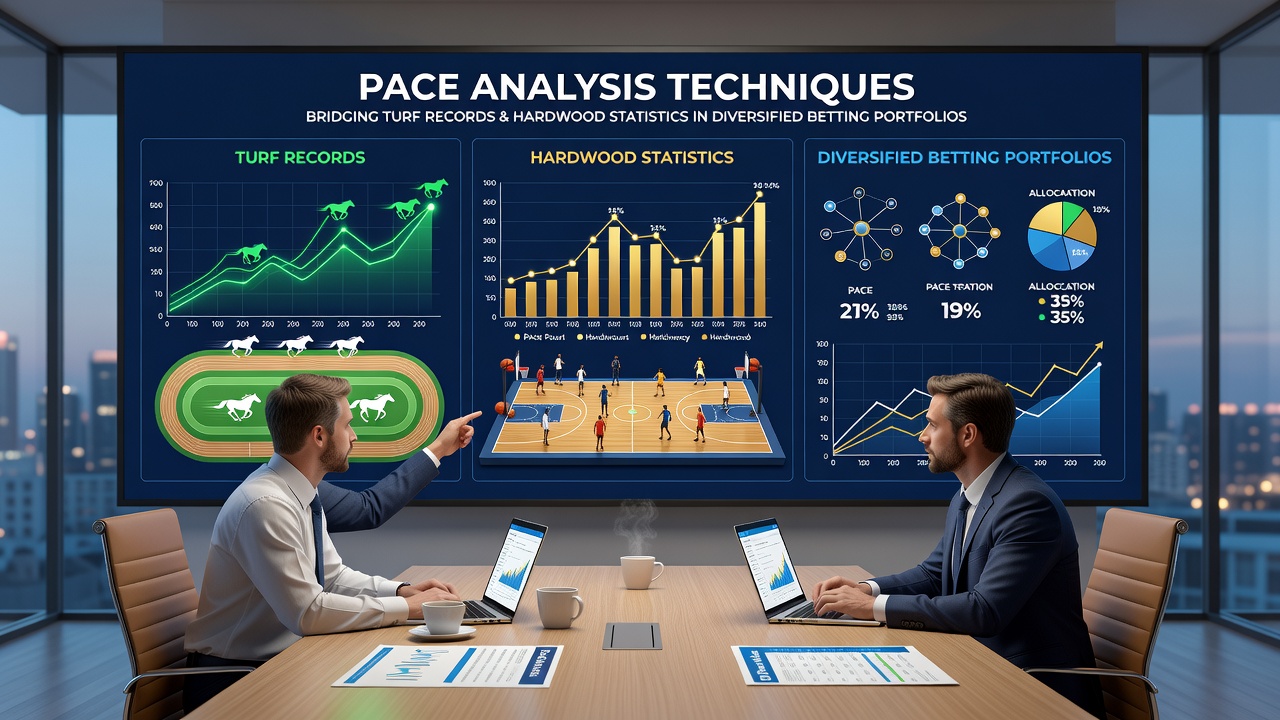
Portfolio managers combine turf sectional data with basketball possession metrics through normalized scoring models that adjust for surface variables and schedule density, allowing simultaneous exposure across both disciplines without over-concentration in one market. One approach involves mapping a horse's recorded furlong velocity against a basketball team's average possessions per minute to identify comparable tempo windows, after which algorithms flag overlap periods during mixed racing and basketball calendars. Data indicates these alignments occur most frequently during late-afternoon racing programs that coincide with evening basketball tip-offs on the east coast.
Portfolio Construction Using Pace Overlays
Betting operators apply pace overlays to diversify holdings by pairing horses projected for front-running styles with basketball sides expected to push transition-heavy offenses, thereby balancing variance across event types. Studies compiled by international racing federations show that such pairings reduce overall drawdown risk when turf conditions shift unexpectedly, while basketball schedule data from overlapping international leagues provides additional hedging layers during October windows when both sports operate at peak volume. Those constructing multi-leg wagers often insert pace-adjusted selections at intermediate steps to maintain exposure balance.
Current Market Applications in October 2026
Regulatory filings from North American gaming commissions detail how operators have expanded pace-model subscriptions among professional bettors who manage diversified books covering both thoroughbred and professional basketball events. Patterns emerging from these filings indicate that pace-derived edges appear most pronounced when racing fields include multiple horses with matching workout fractions and when basketball schedules feature teams traveling across multiple time zones. Industry reports further note that software platforms now incorporate real-time sectional updates alongside live possession trackers to support rapid portfolio rebalancing.
Conclusion
Pace analysis techniques that connect turf velocity records with hardwood possession statistics provide structured pathways for constructing diversified betting portfolios that span equine and basketball markets. Continued collection of sectional and tempo data across jurisdictions supports ongoing refinement of these integration methods as both sports maintain active calendars into late 2026.